April 13, 2026
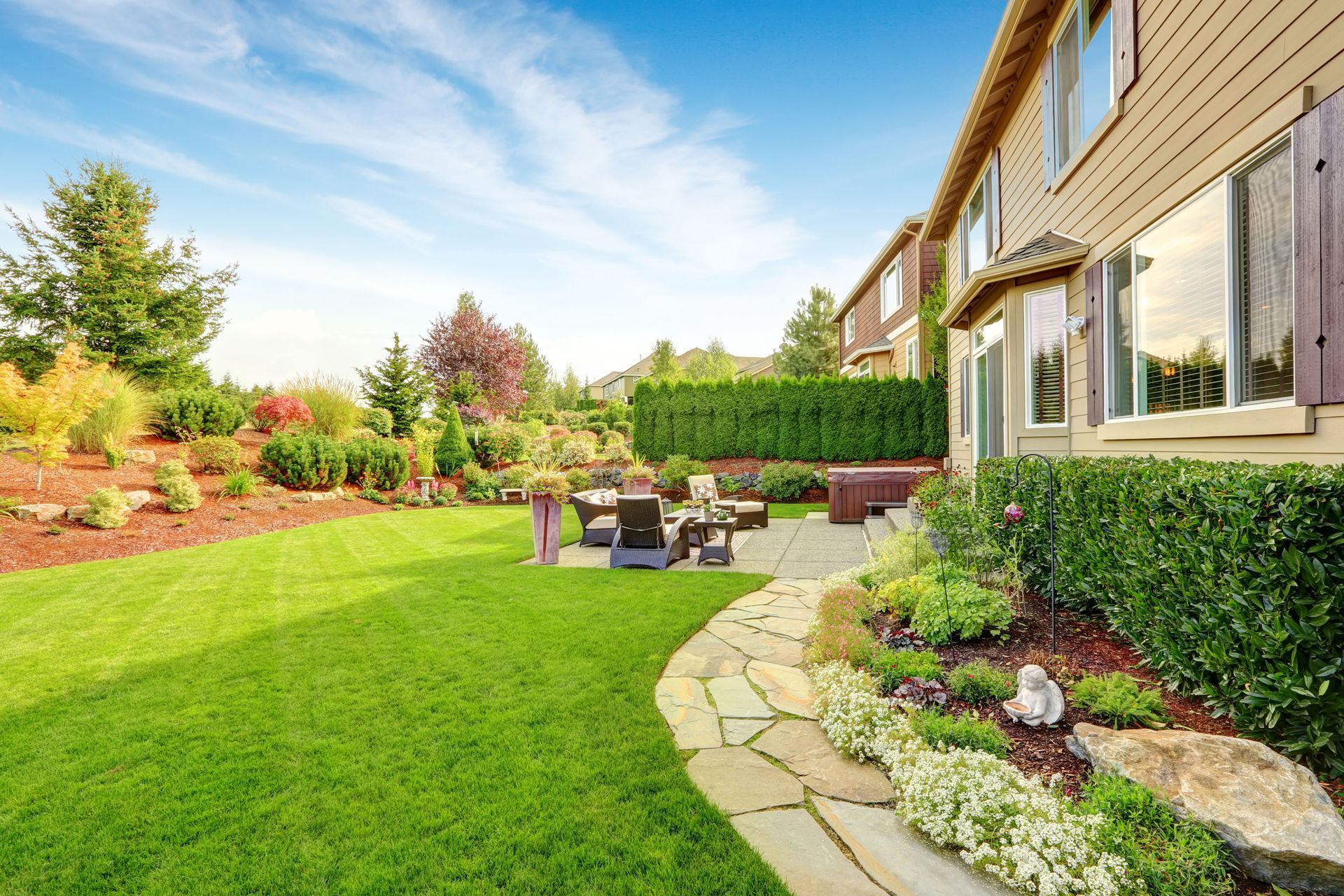
Landscaping is a critical component of property development, enhancing visual appeal while supporting environmental well-being. One of the most influential factors in successful landscaping projects is the selection of quality materials. High-grade landscape supplies not only elevate the aesthetic of a property but also directly affect the durability and sustainability of the landscape. A well-planned landscape is an investment, and using quality materials can maximize its lifespan while reducing long-term maintenance costs.
By focusing on proper material selection and professional installation, property owners can create landscapes that withstand environmental stresses, reduce repair needs, and maintain visual appeal over time.
Understanding Soil Quality and Its Impact
Soil quality is foundational to any landscape. High-quality soil is rich in nutrients, well-draining, and balanced in sand, silt, and clay content. Landscapes built on nutrient-dense soil promote strong root development and robust plant growth, leading to greater long-term stability. In contrast, poor-quality soil can hinder plant establishment, accelerate erosion, and shorten the functional life of landscaping features.
In addition to nutrient content, soil structure affects water retention and root penetration. Well-structured soil supports deeper roots and reduces erosion, helping landscapes maintain their form through seasonal variations. Soil amendments, such as organic compost or mineral-enriched mixes, can improve deficient soils, enhancing moisture retention, nutrient availability, and resilience. Selecting high-grade soil products as part of landscape supplies contributes to sustainable, long-lasting landscapes.
Aligning Soil with Plant and Hardscape Needs
A landscape’s durability depends on the soil’s compatibility with plant selections and hardscape features. For instance, heavy paving stones or terraces require well-compacted, stable soil to prevent settling or cracking. Similarly, plant beds with specific irrigation or drainage needs require soils with appropriate porosity and nutrient levels. By aligning soil characteristics with the broader landscape plan, property owners can avoid premature degradation and reduce future maintenance demands.
Enhancing Durability with High-Quality Mulch
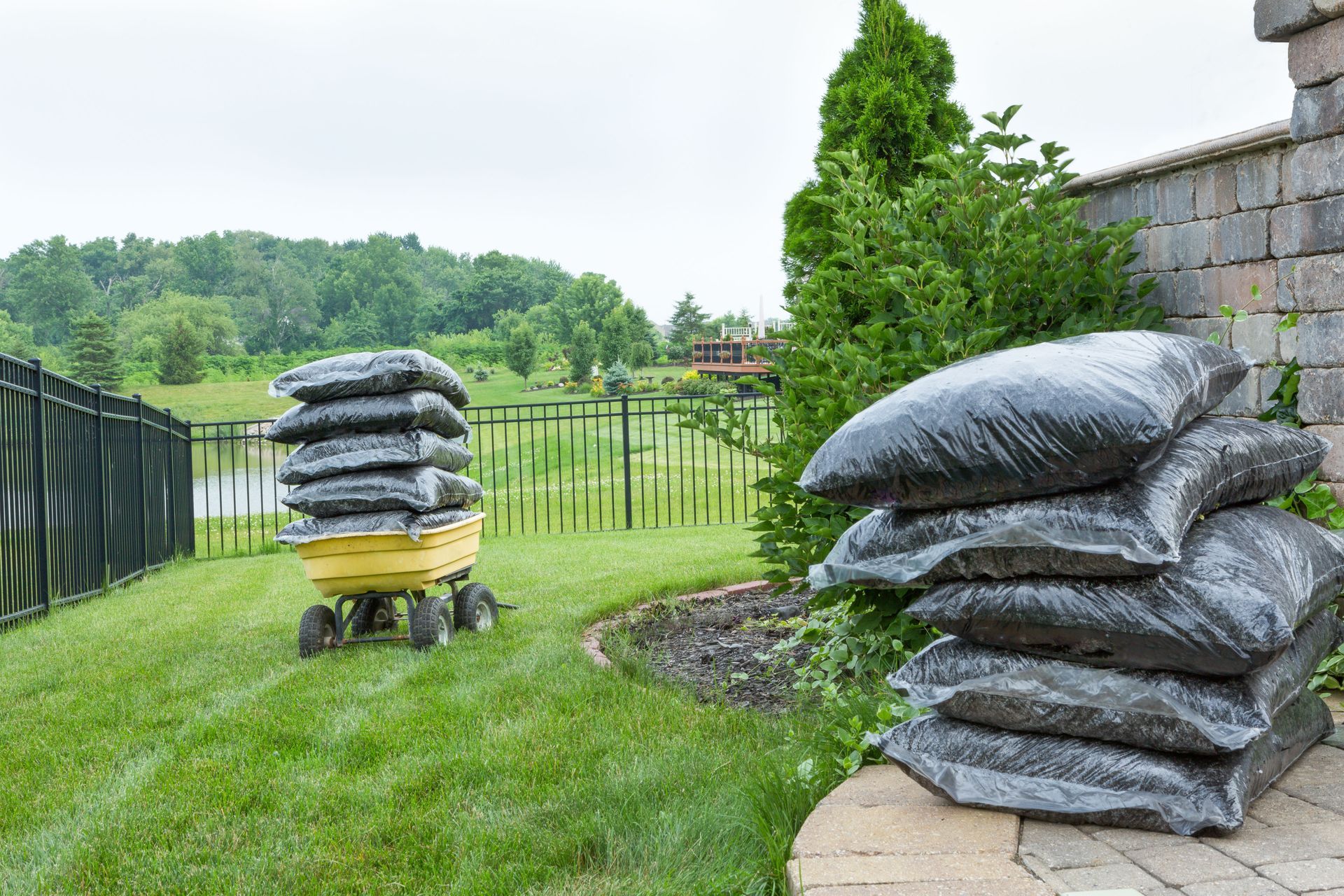
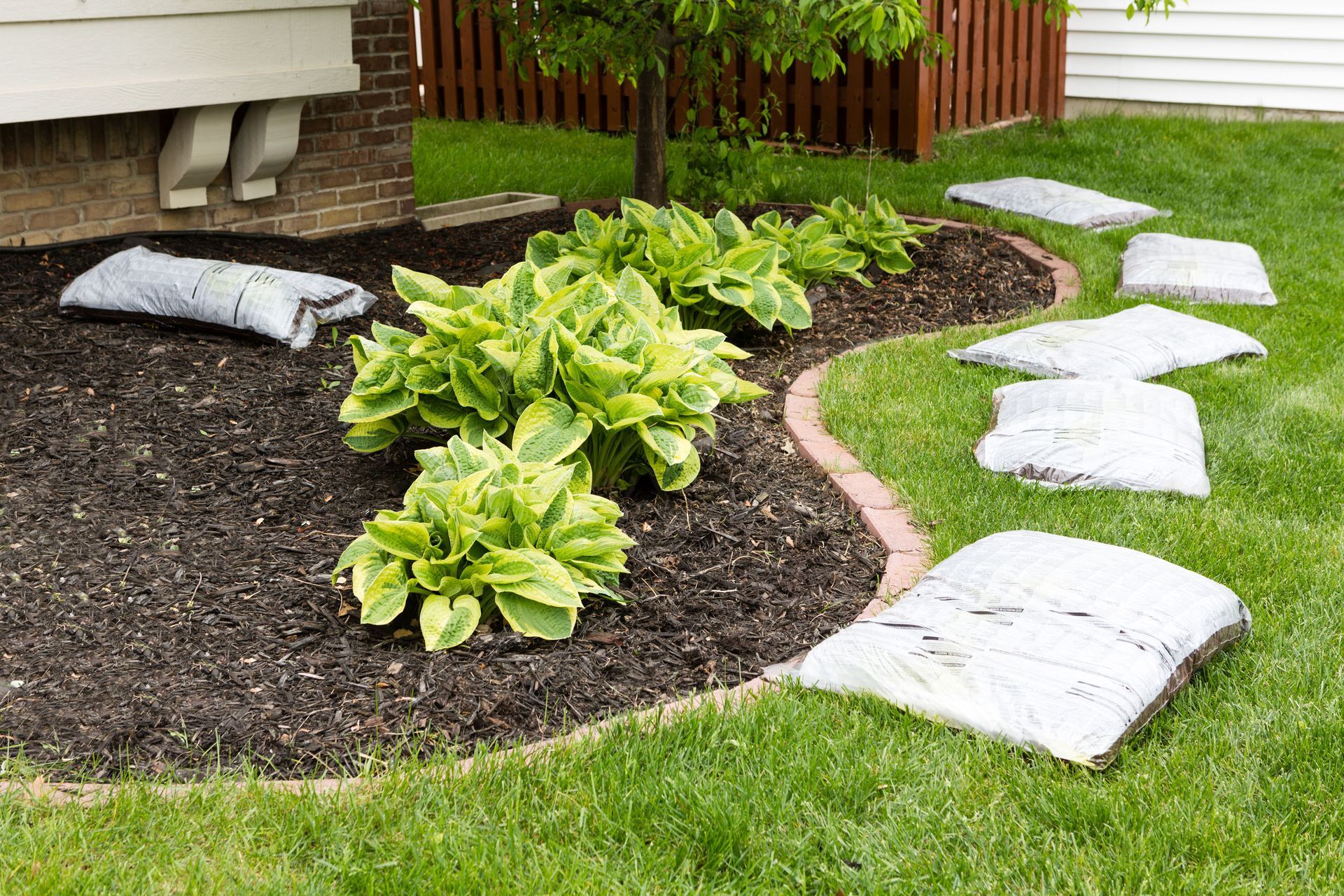
Mulch plays a critical role in protecting soil and plants while enhancing landscape longevity. Organic mulches, including wood chips, bark, and shredded leaves, decompose over time and enrich soil structure. Inorganic mulches, such as gravel or rubber, do not break down but provide extended moisture retention and weed suppression. Choosing the right type of mulch as part of your landscape supplies strategy can extend plant health and reduce maintenance requirements.
Supporting Moisture Retention and Temperature Regulation
Mulch helps conserve soil moisture by limiting evaporation, particularly important in dry climates or for newly established plants. It also insulates root zones from extreme temperatures, protecting plants from stress during heat waves or cold snaps. By maintaining consistent soil conditions, mulch contributes directly to plant resilience and overall landscape durability.
Reducing Weed Growth and Maintenance Costs
Weed prevention is another advantage of quality mulch. Properly applied, mulch blocks sunlight from reaching weed seeds, reducing competition for nutrients and maintaining a neat landscape appearance. High-quality mulch can significantly reduce the labor and material costs associated with ongoing maintenance, enhancing both the economic and functional sustainability of landscaping projects.
Strengthening Hardscape Durability
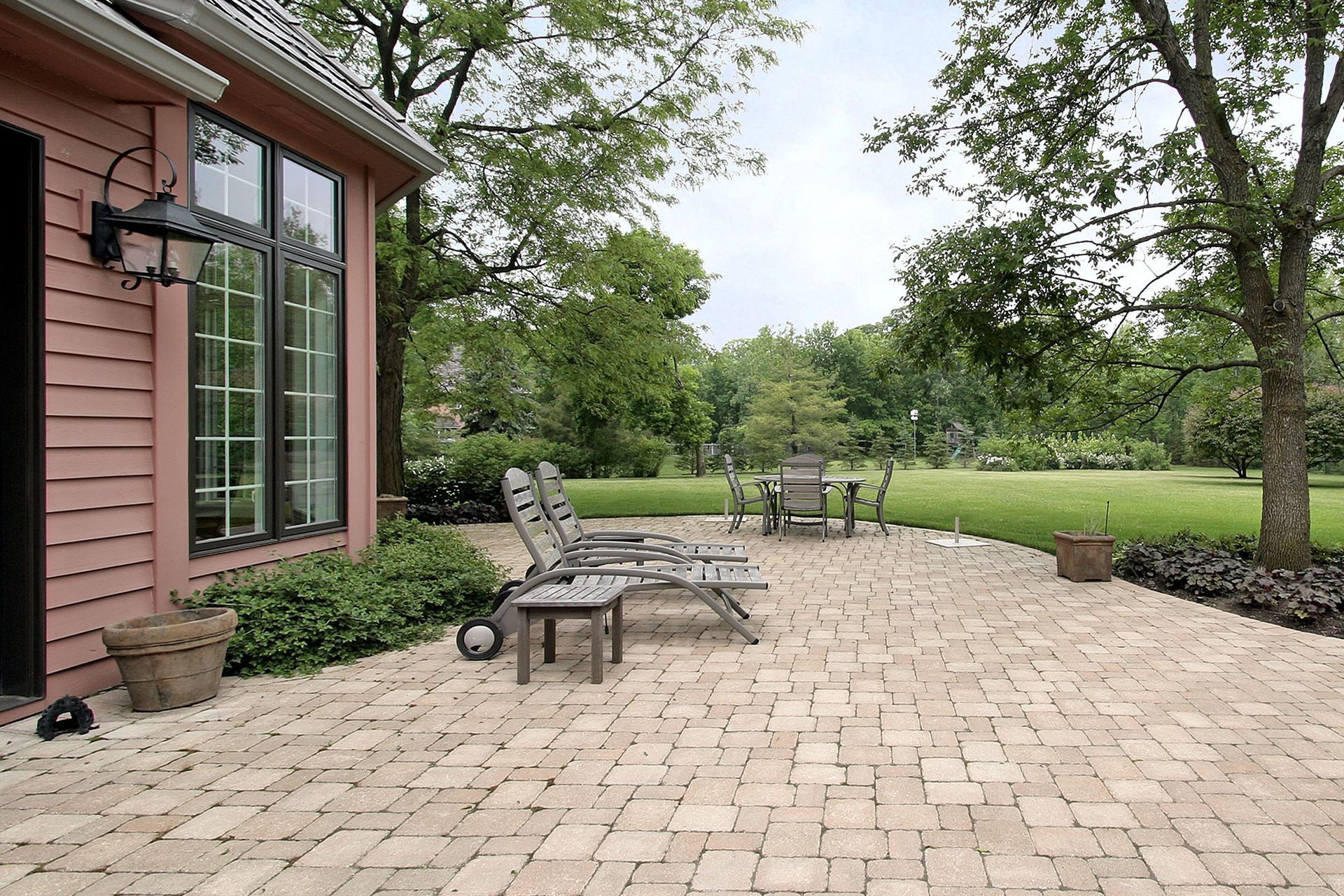
Hardscape elements, including pathways, patios, and retaining walls, are integral to long-lasting landscapes. The choice of paving stones and aggregates significantly affects durability. Materials such as natural stone, high-quality concrete, and crushed stone withstand weathering and foot traffic, preserving the structural and visual integrity of the landscape. Selecting durable hardscape components as part of landscape supplies reduces the likelihood of frequent repairs and costly replacements.
Maintaining Structural Integrity Through Proper Aggregates
Aggregates like gravel and crushed stone provide a stable foundation for hardscapes, supporting proper drainage and minimizing movement or settling. These foundational materials are essential for long-term performance and are a key consideration in any durable landscaping project. Quality aggregates contribute to overall system stability, ensuring features like patios and walkways remain functional for years.
Enhancing Weather Resistance
Weather resistance is critical to longevity, especially in regions experiencing freeze-thaw cycles or intense sunlight. High-quality hardscape materials resist cracking and erosion, maintaining both function and aesthetics. Advanced production techniques and durable material formulations enhance weather tolerance, extending the life of paved areas and minimizing repair costs over time.
Optimizing Water Management and Irrigation
Water management is central to landscape durability. Well-designed irrigation systems deliver precise amounts of water to plants while minimizing waste. Selecting durable pipes, fittings, and components as part of landscape supplies helps maintain the efficiency of irrigation systems over time. Properly managed irrigation supports plant health, reduces the risk of root diseases, and results in the long-term sustainability of the landscape.
Incorporating Smart Irrigation Technologies
Advances in smart irrigation allow systems to adjust watering schedules based on soil moisture data and weather conditions. This technology prevents overwatering and underwatering, optimizing water use and promoting plant vigor. Landscapes equipped with smart irrigation demonstrate improved durability and reduced water consumption, aligning efficiency with environmental responsibility.
Preventing System Failures and Leaks
Investing in quality components reduces the likelihood of leaks, blockages, or other failures that can compromise plant health and soil stability. Durable pipes and fittings extend the lifespan of irrigation infrastructure, minimizing disruptions and ongoing repair costs. Proper system setup and maintenance are therefore essential for protecting long-term landscape investments.
Selecting Plants for Sustainability and Longevity
Plant selection significantly influences landscape longevity. Native plants, adapted to local soils and climates, generally require less water and maintenance while thriving in their natural environment. They support regional ecosystems and contribute to the overall sustainability of the landscape. Non-native plants can add visual variety but may require additional care or resources to thrive, potentially affecting durability.
Promoting Resistance to Pests and Diseases
Resilient plants with natural resistance to local pests and diseases reduce reliance on interventions, improving overall landscape sustainability. According to This Old House, every 1,000 square feet of healthy lawn contains about one million plants, each contributing to a self-maintaining ecosystem. Selecting high-quality plants supports ecosystem balance, reduces chemical inputs, and enhances the long-term visual and functional success of the landscape.
Considering Genetic Quality and Longevity
The genetic quality of plants influences their growth, adaptability, and resistance to environmental stress. Landscapes composed of high-quality, robust plant stock are more likely to thrive for extended periods, reducing the frequency of replacements and long-term maintenance needs. Proper plant care, combined with nutrient-rich soil and quality landscape supplies, strengthens durability and sustainability.
Enhancing Longevity Through Professional Installation
Professional installation provides optimal soil conditions, including compaction, drainage, and amendment applications. Correct soil preparation sets the foundation for plant health and the success of hardscape features. It also mitigates common issues such as erosion, root damage, and uneven settling, providing long-term benefits to the landscape.
Executing Hardscape Installation with Precision
Precision in installing patios, retaining walls, and walkways is crucial for structural stability. Correct installation techniques prevent shifting, cracking, and premature deterioration. Experienced installers can align materials accurately, achieving both functionality and aesthetic consistency.
Implementing Irrigation Systems Professionally
Expert installation of irrigation systems allows consistent water delivery tailored to plant and soil needs. Proper layout, slope management, and component selection reduce risks of leaks, overwatering, and underperformance. Professional installation maximizes the efficiency and lifespan of both irrigation infrastructure and plantings, reinforcing the durability of the entire landscape.
The selection and use of quality landscape supplies play a central role in creating long-lasting, sustainable landscapes. From soil composition and mulch to hardscape materials and irrigation systems, each component contributes to the overall resilience of a property. Integrating high-grade materials with professional installation reduces maintenance costs, enhances plant health, and extends the functional lifespan of landscaping features.
For property owners seeking durable, aesthetically pleasing landscapes, partnering with experienced providers like Lester’s Material Service can provide access to expert guidance. Investing in quality materials today is an investment in the enduring success of tomorrow’s landscape.